Freshly prepared sushi offers a delightful culinary experience, but the quality of ingredients significantly impacts the final taste and texture. Understanding what to look for in premium sushi components ensures you can recreate restaurant-quality meals at home or select the best pre-made options.


This article is part of our complete guide Grocery & Gourmet — browse all our comparisons and buying guides.
Last update on 2026-11-22 / Affiliate links / Images from Amazon Product Advertising API
How to Choose the Best Fresh Prepared Sushi
Choosing Your Sushi Rice
The foundation of great sushi is the rice. Look for short-grain Japanese rice, often labeled as "sushi rice." This type of rice has a higher starch content, which allows it to become sticky when cooked, holding its shape perfectly for nigiri and rolls. Rinse the rice thoroughly before cooking to remove excess starch, which can make the rice gummy. The ideal texture is tender yet distinct grains.
Selecting Fresh Fish
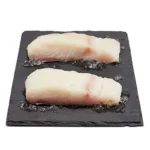
For raw sushi, "sushi-grade" or "sashimi-grade" fish is essential for safety and quality. This designation means the fish has been handled and frozen under specific conditions to kill parasites. When purchasing, ensure the fish has a clean, oceanic smell, not a strong fishy odor. The flesh should be firm, moist, and have a vibrant color appropriate to the type of fish. Avoid fish that looks dull, dry, or has brown spots.
Essential Condiments and Wrappers
High-quality soy sauce, wasabi, and pickled ginger (gari) elevate the sushi experience. Opt for a low-sodium soy sauce for a cleaner flavor. Real wasabi, often a paste made from the wasabi plant's root, offers a pungent, fresh heat, distinct from horseradish-based imitations. Nori (seaweed sheets) for rolls should be crisp and dark green, indicating freshness. For seasoned rice, use rice vinegar, sugar, and salt, adjusting to your preference.