Dive deep into the rich history and evolution of rap and hip-hop with expertly curated books and media. Understanding the nuances of this dynamic genre requires more than just listening; it involves exploring its cultural roots, key figures, and artistic innovations. Choosing the right resources can transform your appreciation and knowledge of hip-hop.

- Ultimate Hip-Hop by Various Artists (2014-08-03)
- Audio CD – Audiobook



This article is part of our complete guide Music & Instruments — browse all our comparisons and buying guides.
Last update on 2026-11-22 / Affiliate links / Images from Amazon Product Advertising API
How to Choose the Best Rap & Hip-Hop
Choosing Your Next Rap & Hip-Hop Deep Dive
Understand the Scope
Rap and hip-hop encompass a vast array of subgenres, eras, and regional scenes. Consider what aspect interests you most: the golden age of the 90s, the rise of trap music, the pioneers of the Bronx, or the lyrical prowess of conscious rap. Books might focus on specific artists, labels, or the socio-political commentary embedded within the music. Documentaries offer visual journeys, often featuring interviews with the artists themselves.
Format Matters
The best format depends on your learning style and engagement preference. Biographies and historical accounts offer in-depth narratives. Anthologies and critical analyses provide diverse perspectives. Visual media like documentaries and films bring the culture to life, showcasing performances and historical footage. Vinyl records or curated playlists can serve as excellent companions, allowing you to experience the music discussed.
Key Figures and Eras
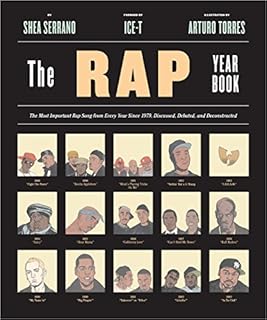
When selecting resources, look for those that highlight influential artists and pivotal moments. Early pioneers like Grandmaster Flash and Afrika Bambaataa laid the groundwork, while artists such as Run-DMC, Public Enemy, and N.W.A. defined subsequent eras. The 90s saw the rise of legends like Tupac, Biggie, Nas, and Wu-Tang Clan. Understanding these figures and their contributions is crucial for a comprehensive grasp of the genre.
Authenticity and Depth
Seek out works that are well-researched and offer authentic insights. Look for authors or creators with a proven track record in music journalism or historical documentation. Reviews can often indicate the depth of research and the validity of the information presented. Engaging with primary sources, such as interviews or autobiographies, provides a direct connection to the artists' experiences.
Comparison Tips
- Coverage: Does the book or documentary cover a broad historical sweep or focus on a niche aspect?
- Perspective: Is it a critical analysis, a personal memoir, or a historical overview?
- Visuals/Audio: For visual media, assess the quality of footage and interviews. For music, consider the sound quality and completeness of the collection.
- Author/Creator Credibility: Research the background of the writer, director, or curator.