The Renaissance period, spanning roughly from 1450 to 1600, was a golden age for music. From intricate polyphony to the development of new instruments, this era produced a rich and diverse musical landscape. Selecting the right recordings can transport you directly to this vibrant historical period, offering an authentic listening experience.




This article is part of our complete guide Music & Instruments — browse all our comparisons and buying guides.
Last update on 2026-10-02 / Affiliate links / Images from Amazon Product Advertising API
How to Choose the Best Renaissance Period Music (c.1450-1600)
Choosing Renaissance Music Recordings
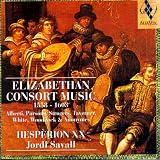
When selecting recordings of Renaissance music, consider these key factors to enhance your listening experience:- Ensemble Type: Renaissance music was performed by various ensembles. Small vocal groups (a cappella choirs) focused on intricate polyphony, while larger ensembles might include instruments. Consider whether you prefer the purity of voices or the added texture of period instruments like lutes, viols, or early keyboards.
- Repertoire Focus: Many recordings specialize in specific composers (e.g., Palestrina, Tallis, Byrd, Josquin des Prez) or genres (e.g., madrigals, motets, chansons, masses). Decide if you want a broad overview of the era or a deep dive into a particular composer or style.
- Performance Practice: Look for ensembles known for their historically informed performances. This often means using period instruments, understanding historical vocal techniques, and adhering to scholarly research for authentic interpretations. Reviews or ensemble descriptions can often provide clues.
Frequently Asked Questions
What are the key characteristics of Renaissance music?
Renaissance music is characterized by its development of polyphony, where multiple independent melodic lines are woven together. It also saw a greater emphasis on word painting, where musical elements reflect the meaning of the text, and a move towards more expressive and emotional musical content compared to earlier periods.
Who were some of the most influential composers of the Renaissance?
Key composers include Josquin des Prez, Giovanni Pierluigi da Palestrina, Orlande de Lassus, William Byrd, and Thomas Tallis. Their works represent the pinnacle of Renaissance polyphony and stylistic development across various genres like masses, motets, and secular chansons.
What instruments were commonly used during the Renaissance?
Common instruments included the lute, viol da gamba family, recorder, shawm, crumhorn, sackbut (an early trombone), and various keyboard instruments like the harpsichord and organ. Vocal music, often performed a cappella, was also extremely prominent.
How does Renaissance music differ from Baroque music?
Renaissance music is generally characterized by smoother, more flowing melodies and intricate polyphony with less emphasis on strong rhythmic drive. Baroque music, which followed, is known for its dramatic contrasts, clear basso continuo, more complex ornamentation, and a stronger sense of harmonic progression and rhythm.