This post contains affiliate links. As an Amazon Associate we earn from qualifying purchases. Our picks are based on Amazon bestseller rankings, Amazon customer ratings, and product availability. We update our recommendations regularly to ensure accuracy.
Winemaking additives are crucial for achieving desired results, whether you're a seasoned vintner or a homebrewer. Selecting the right additives can elevate the quality, stability, and flavor profile of your wine, transforming a good batch into a great one. Understanding their functions and how to use them effectively is key to successful winemaking.
WINE TANNIN POWDER FOR WINEMAKING: Powdered tannin for home winemaking and fermentation. A simple addition to your winemaking setup.
ADDS ASTRINGENCY TO UNOAKED WHITE WINE: Can add astringency to white wines that have not been exposed to oak.
EARTHY FLAVOR FOR RED WINE: Can add an earthy flavor to red wines.
IMPROVES DULL WINE & PAIRS WITH FINING AGENTS: Can help improve the flavor of a dull wine. Can also be used alongside gelatin or isinglass for later fining.
4 OUNCE JAR: North Mountain Supply food grade acid blend, 4 ounce jar, packaged in a plastic jar with a tamper evident air tight seal to help ensure quality and freshness
THREE-ACID BLEND: This is a mix of citric, malic and tartaric acid
BLEND RATIO: Made up of 50 percent malic acid, 40 percent citric acid and 10 percent tartaric acid
WINE MAKING ADDITIVE: A wine making additive that allows yeast to ferment properly
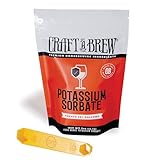
Potassium Sorbate – Mead or wine made with our DIY kits will often finish semi-dry (meaning there's not a ton of residual sweetness in the finished product). Try back sweetening, a technique that uses Potassium Sorbate for brewing mead, cider or wine...
ESSENTIAL WINE ADDITIVE KIT – Includes 1 oz potassium sorbate, 2 oz yeast nutrient, 1 oz yeast energizer, 1 oz pectic enzyme, and 1 oz Campden tablets for home winemaking
SUPPORT STRONG FERMENTATION – Yeast nutrient helps support yeast health and complete fermentation, while yeast energizer helps boost sluggish or stuck fermentations
STABILIZE SWEET WINES – Potassium sorbate helps prevent renewed fermentation when bottling sweet wines and is commonly used with Campden tablets for wine stability
IMPROVE CLARITY & EXTRACTION – Pectic enzyme helps break down pectin in fruit wines, improving juice extraction, flavor release, and finished wine clarity
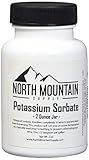
POTASSIUM SORBATE FOR WINE STABILIZING: Helps stabilize homemade wine before the bottling stage. A practical final-preparation step for your winemaking setup.
HELPS PREVENT UNWANTED FERMENTATION: Commonly used in home winemaking, home-brewed drinks and foods to help prevent unwanted fermentation during storage.
½ TEASPOON PER GALLON: Recommended amount for most winemaking applications, so it is easy to measure and add.
FOOD & USP PHARMACEUTICAL GRADE: A high-grade ingredient for home projects where quality matters. Also used in brewing, food preservation, cooking, baking and cosmetics.
DELUXE WINE ADDITIVE KIT – Includes potassium sorbate, yeast nutrient, yeast energizer, pectic enzyme, Campden tablets, tannin powder, bentonite, and acid blend for home winemaking
SUPPORT HEALTHY FERMENTATION – Yeast nutrient and yeast energizer help support active fermentation and can assist sluggish or stuck fermentations in homemade wine recipes
CLARIFY FRUIT WINES – Pectic enzyme helps break down fruit pectin, while bentonite helps settle suspended particles for improved clarity in finished wine
BALANCE FLAVOR & BODY – Acid blend helps adjust acidity, while tannin powder adds structure, dryness, and body to grape wine, fruit wine, cider, and mead
Last update on 2026-11-28 / Affiliate links / Images from Amazon Product Advertising API
How to Choose the Best Winemaking Additives
Comparison Tips
When comparing different brands or types of the same additive, consider user reviews for insights into effectiveness and ease of use. Check the ingredient list for purity and any potential allergens. If possible, look for products that offer detailed technical information or support, especially for more complex additives. Always start with small batches to test new additives before committing to larger quantities.
Frequently Asked Questions
What is the most common winemaking additive?
Potassium metabisulfite (often referred to as sulfite) is one of the most common and essential winemaking additives. It acts as an antioxidant and antimicrobial agent, protecting the wine from spoilage and oxidation.
When should I add fining agents?
Fining agents are typically added after fermentation is complete and the wine has been racked. They work by binding to suspended particles, causing them to settle out, which helps to clarify the wine before bottling.
Do I need yeast nutrients for every batch?
Yeast nutrients are particularly important when fermenting musts that are low in natural nutrients, such as some fruit wines or high-sugar grape musts. For most grape wines, the grapes provide sufficient nutrients, but adding them can ensure a more robust fermentation.
Can I use too much acid in my wine?
Yes, it is possible to add too much acid. Over-acidifying can make the wine taste sharp and unbalanced. It's best to measure the wine's acidity (pH and TA) and add acid gradually, tasting as you go, or follow precise recipes.
What is the difference between potassium sorbate and sulfites?
Sulfites (like potassium metabisulfite) primarily protect against oxidation and microbial spoilage. Potassium sorbate is a mold and yeast inhibitor, specifically used to prevent re-fermentation, especially in wines with residual sugar.
Are winemaking additives safe for consumption?
When used according to recommended dosages, winemaking additives are considered safe and are standard in commercial winemaking. They help ensure the stability, quality, and safety of the final product.
As an Amazon Associate, we earn from qualifying purchases. Product prices and availability are accurate as of the date/time indicated and are subject to change.
Amazon pricing is not included in price tracking/graph. We do not issue alerts for any products through Amazon.